Ukrainian Neo-Folklore: an aesthetic that has become cultural resilience
Published on 29 October 2025
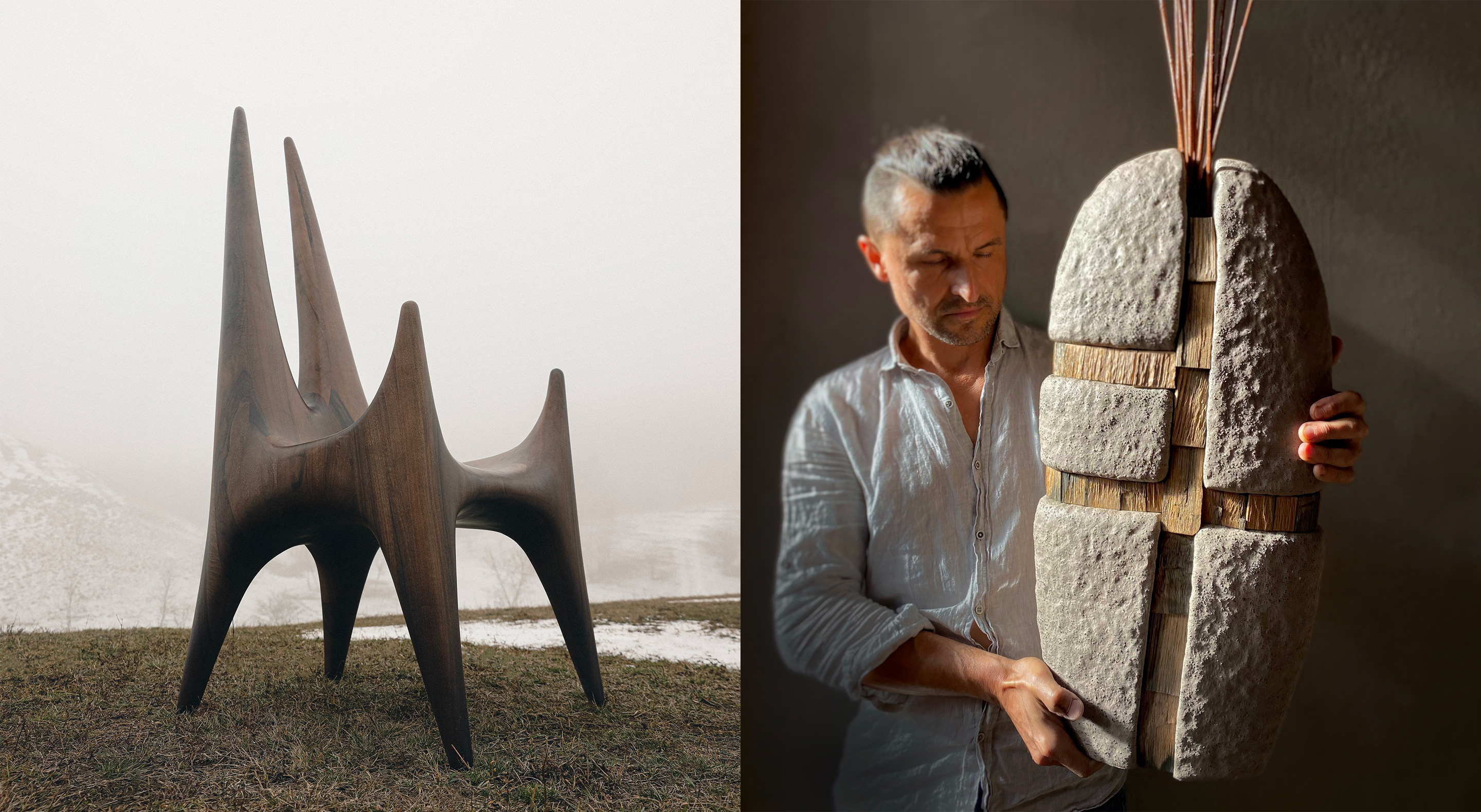
In Paris, the Sana Moreau Gallery has become a true reference point for Ukrainian design. This coming January, its founder will trade her Marais address for a few days at Maison&Objet, where she’s been given carte blanche to explore the theme “Neo-Folklore.”
A new stylistic identity is blossoming in Ukraine—rooted in heritage yet turned toward the future. Between memory and modernity, each object tells a story. It embodies the cultural DNA and at times even reveals a sense of humor — even in times of war.
A luminous conversation with Sana Moreau, ambassador of a culture in full creative renaissance.
Neo-Folklore, is it a creative act of resistance?
Neo-folklore in Ukrainian design is far more than an aesthetic or decorative trend. It is a language of memory and belonging.
For Ukrainian design and craftsmanship, folklore represents much more than a reinterpretation of traditional techniques, materials, or ornaments.
The field explored today by the creative industries — design, fashion, and graphic arts — sometimes reaches back to pre-Christian times. Designers draw inspiration from ancient symbols, elements of nature, animals, emblematic plants, and ornaments. This relationship will be brought to life in the installation presented at the January edition of Maison&Objet.
What are the aesthetic codes of a neo folklore?
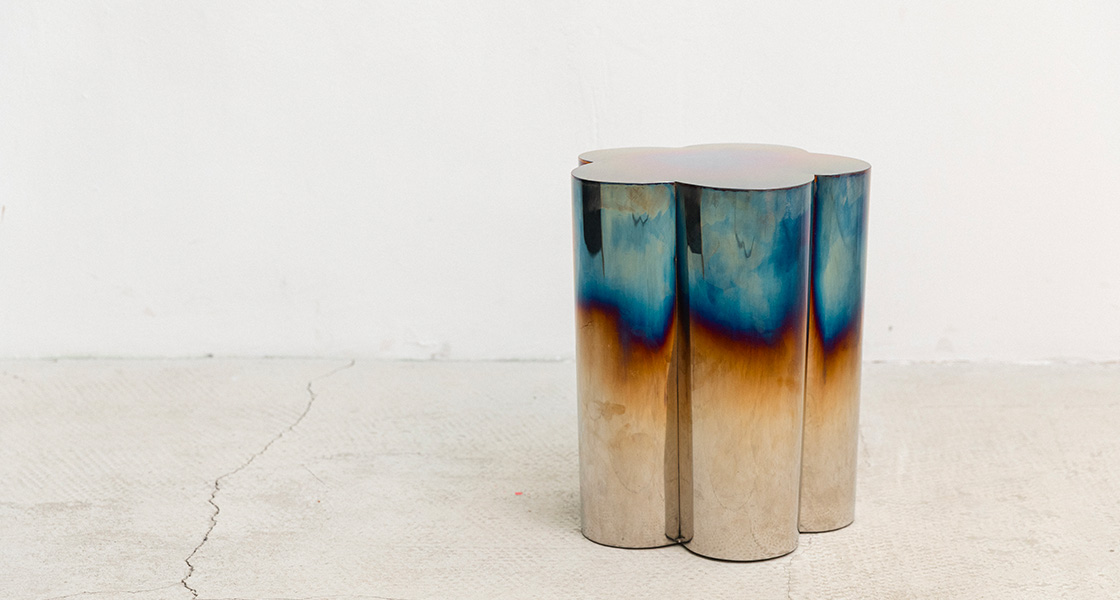
This aesthetic has become a truly distinctive phenomenon. Its most compelling examples reveal striking diversity — from archaic forms and traditional embroidered motifs reimagined through a modernist lens, to ironic boho-funk creations. None of this excludes the use of age-old craft techniques or modern eco-materials combined with cutting-edge technology.
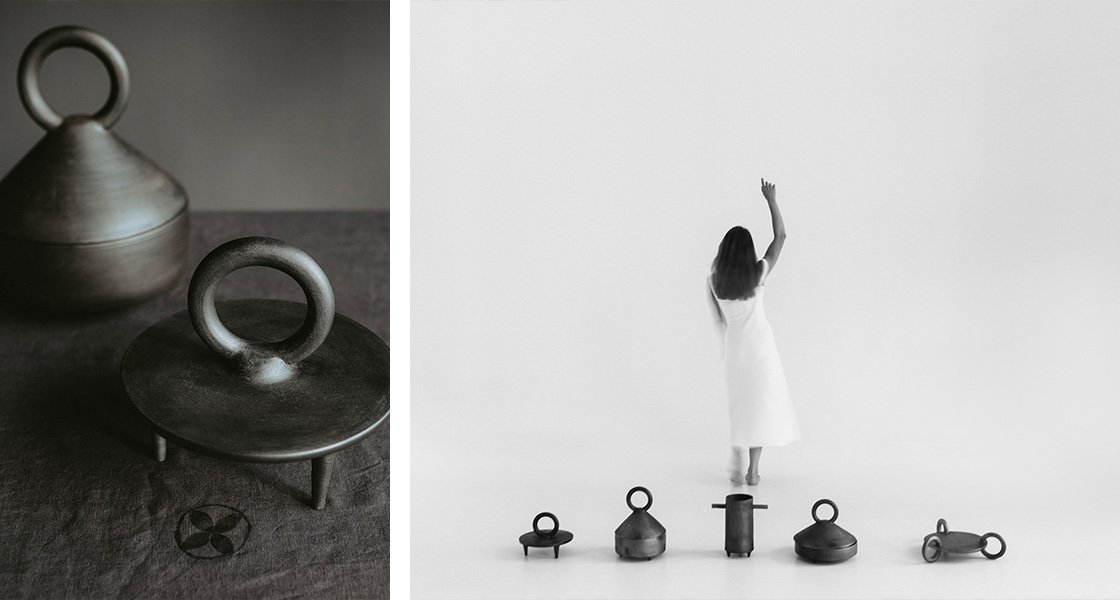
Neo-folklore reintroduces the warmth of the artisan’s touch, the poetry of natural materials — clay, linen, wood, metal, straw — and the symbolism of archetypal forms. Natural shapes, minimalist silhouettes, and archetypal symbols such as the sun, the grain, the circle, and the fire each tell their own mythology. Every object transforms fragility into lasting beauty.
This approach goes beyond nostalgia. In times of war, it becomes a form of cultural resistance — a true cultural front.
Can you tell us more about this movement radiating across Ukraine?
Today, more than half of Ukrainian designers, in one way or another, identify with this current.
Many blend it with a renewed interest in modernism, creating a unique fusion that defines the expressiveness of Ukrainian design.
Remarkably, this energy flourishes despite the absence of a formal design school in the country—proof that creativity, when rooted in culture, needs no institution to thrive.

The Awakening of a Cultural Language
I would say that since 2014, after the Revolution of Dignity, society has been actively searching for a new cultural language, deeply rooted in its origins and traditions, re-explored by places and creators.
In 2022, with the large-scale Russian invasion, this cultural dynamic intensified. Neo-folklore became a reflection on identity, translated in design through poetry, functional beauty, wabi-sabi philosophy, slow design, deep meanings and a new aesthetic and philosophical force.
A conversation to be continued at Maison&Objet, from January 15 to 19.