Material Instinct: A Conversation with Quentin Hirsinger
Published on 22 October 2025
Step into the world of Quentin Hirsinger, founder of matériO’, and you’ll find yourself surrounded by an ever-growing library of curious materials, some soft, some shapeshifting, all full of surprises. He calls it a “cabinet of curiosities,” but it’s more like a playground for future-facing design.
In response to the growing obsession with mutation and transformation in design, Quentin offers his own take: “Translucidity.” A word he invented, blending transformation and lucidity — two ideas he believes must go hand in hand. Translucidity" is also the name of his curated space, booth K110, in HALL 2, showcasing at Maison&Objet from January 15 to 19. A must-see for design lovers! Consider it a space for thoughtful materials and playful thinking.
While we wait for the full experience, Quentin gave us a preview, and some insight into the materials currently shaping the design world.
Mycelium seems to be everywhere these days. What’s fueling its popularity?
Q.H: Mycelium is the hidden part of the mushroom, a fast-growing underground network that binds together organic matter. In architecture, it’s being turned into natural insulation panels. In product design, it can be molded into all kinds of forms, and when exposed to air, it biodegrades completely. It’s kind of magic, really.
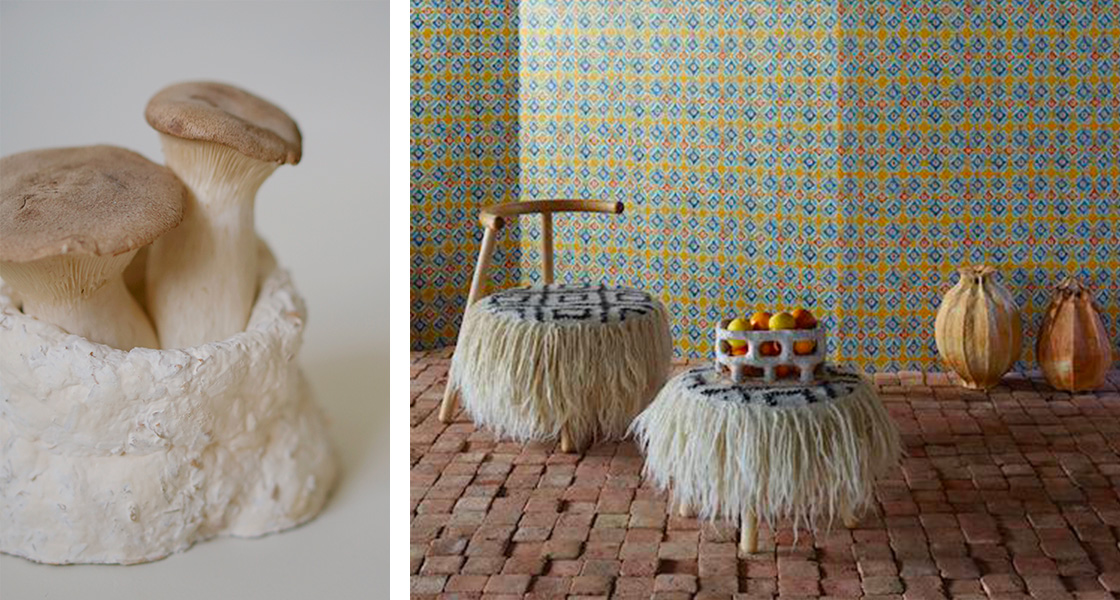
On the application side, one of the earliest designers to experiment with it was Eric Klarenbeek. But he's far from alone. The Korean duo Kuo Duo, spotlighted by the 2025 Rising Talent Awards, crafted striking masks from it. In 2023, the Ukrainian gallery Sana Moreau, in collaboration with S. Lab, unveiled a poetic series of limited-edition objects made entirely from mycelium. Fashion is embracing it too, take, for instance, the sculptural sneaker soles designed by Emilie Burfeind.
And in terms of color, what’s new on that front?
Q.H: Bacterial pigments are one of the most exciting developments. Most of the dyes and inks we use today come from petrochemicals, and they’re seriously polluting, both in how they’re made and how they break down. The idea of using bacteria to create vibrant, living color feels like a turning point. The palette is still growing, but it’s already impressive.
One standout is Tony Jouanneau, founder of Atelier Sumbiosis. He’s a designer, artisan, and researcher who works with biological systems and sustainable design. He even won the Grand Prix de la Création from the City of Paris in 2024. A great example of someone creating with and not just from the living world.
One intriguing direction inspired by nature is the growing interest in seaweed. What’s your take on it?
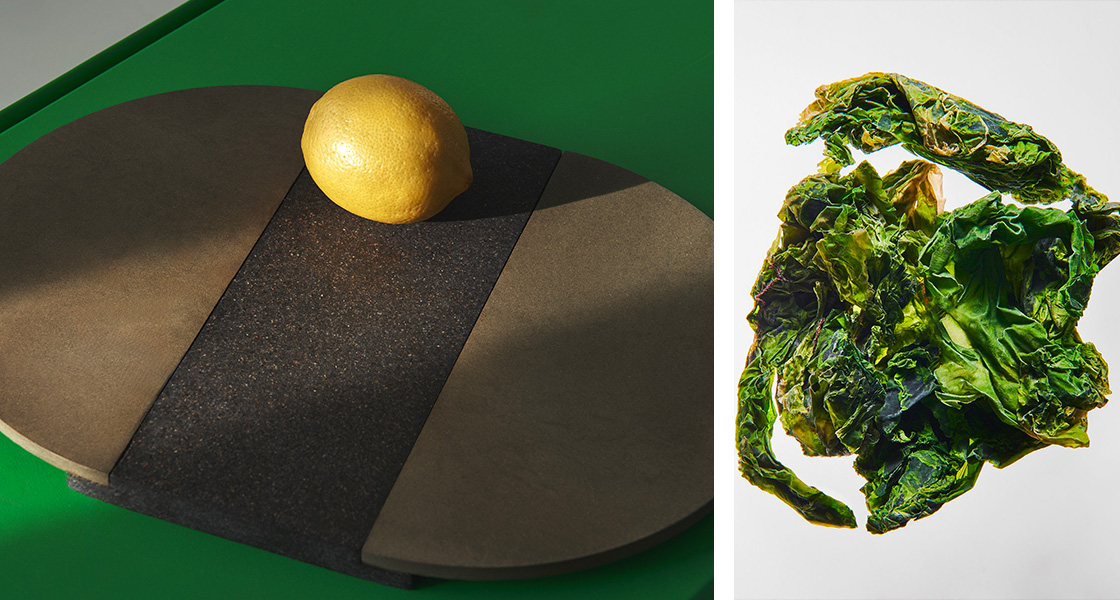
Q.H: Definitely, seaweed is making waves across a range of industries, from fashion and furniture to sustainable building materials. It comes with a long list of eco-benefits: it absorbs significant amounts of CO₂, doesn’t require fresh water or farmland, and in some areas, it's so abundant it’s considered invasive. So finding ways to put it to good use just makes sense.
Designer Samuel Tomatis is a great example, his work explores seaweed as a material for everyday objects, revealing just how versatile and valuable it can be. It’s part of a broader shift where design, innovation, and environmental awareness are finally coming together.
Could you tell us more about the "Translucide" exhibition, which will be showcased at Maison&Objet in January 2026?
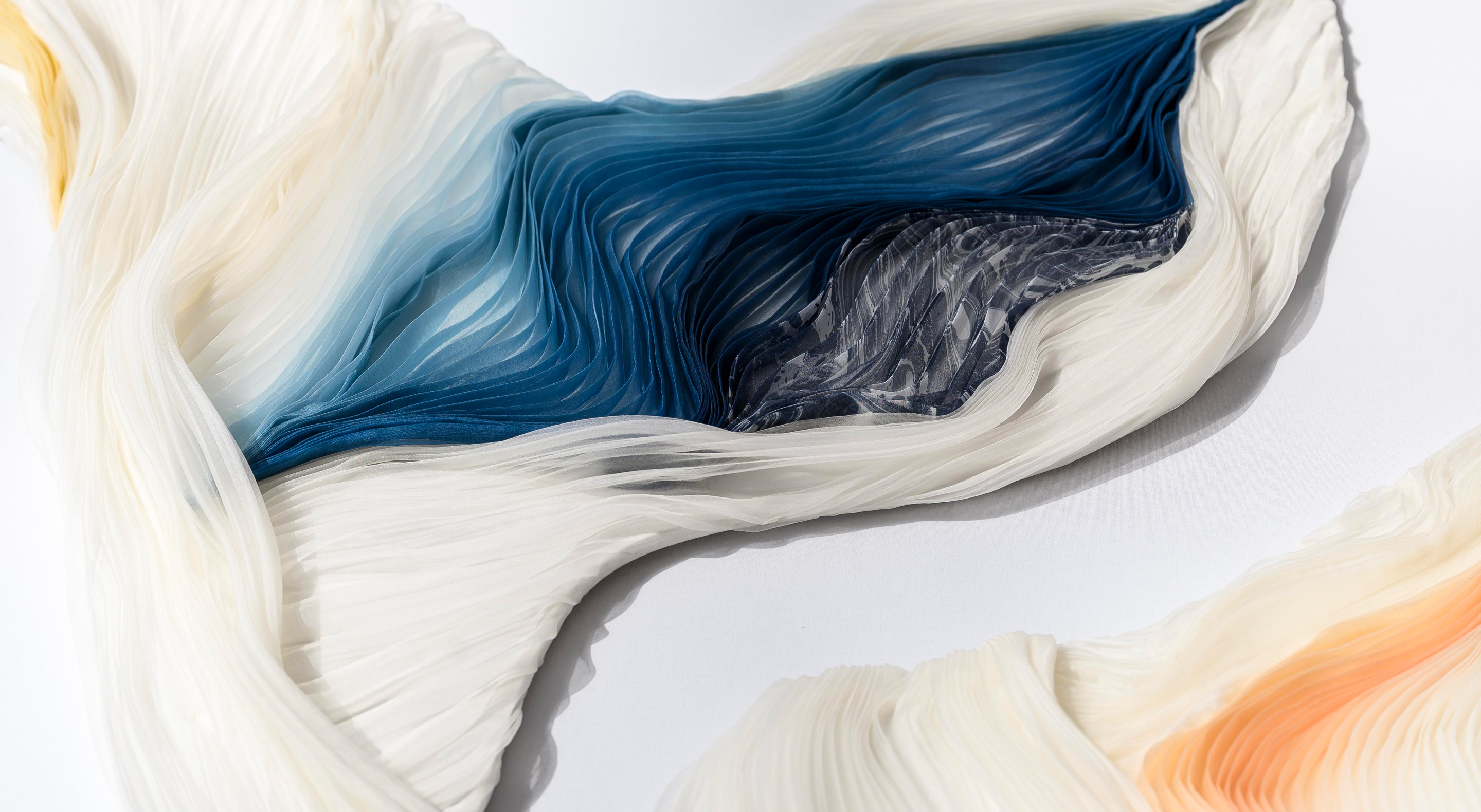
Q.H: With "Translucide," you'll step into a true cabinet of curiosities focused on materials. What makes materials so magical is their ability to interact with light, revealing their essence through subtle plays of reflection, transmission, absorption, and diffraction of incident rays. One particularly intriguing feature of certain materials is their translucency - their ability to partially let light pass through without fully revealing objects or colors. matériO' will introduce you to thirty fascinating materials!