5 TIPS FOR… big success on Pinteret
Published on 3 March 2023
Pinterest: get the picture? Today, we’re talking about the market intelligence and image research platform that’s perfectly suited to the décor, design, and lifestyle industry. Looking to reach a qualified audience hungry for new trends? Text, images, links, market research…Vincent Roméo, Head of Digital at the 14 Septembre Agency explains how to cover all the boards!
01.
Honey, where do I pin the picture?
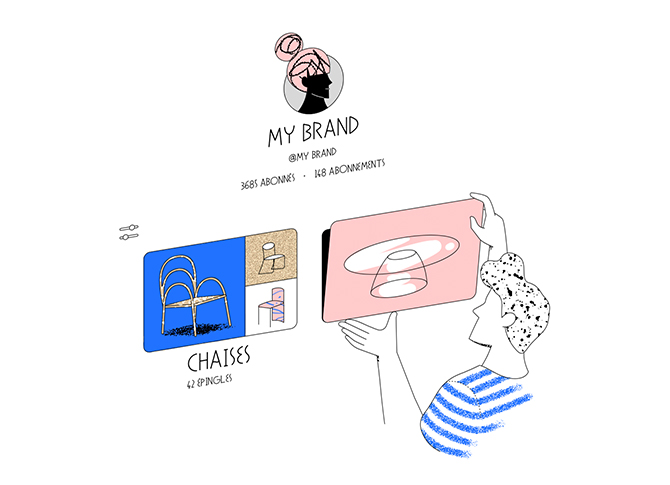
Pinterest is first and foremost about boards, where you pin images. So, it’s essential to make sure they’re well-organized. For this, remember to label your boards according to your field of business: tables, chairs, fabrics, Scandinavian trends…You can name them by trend or by category. And if you’re a real organizing fanatic, well, you can have fun creating sub-boards.
Once you’ve gotten your boards organized, keep them lively over time. Avoid names that might have an expiration date, such as “April 2022 trends”, and add new images regularly. Then, you just need to see how your visuals get scattered throughout the platform bit by bit, as users add them to their favorites and publicize your brand and products truly organically.
02.
Vertical Limit
Here’s a Big Scoop: Pinterest is a network that prioritizes images. Hence the importance of making sure they’re beautiful and offer high-quality content. Just know that, first of all, vertical images are particularly appreciated. A horizontal image, as gorgeous as it may be, may not work. On the other hand, you’re sure to have success with rather tall vertical images, which will take up lots of space on the feed and on boards!
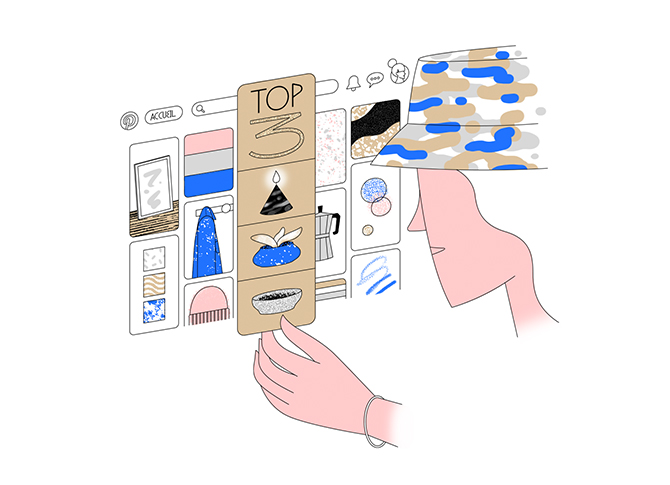
Another track worth exploring to spotlight your products on Pinterest: making designs that are adapted to the rules of this platform with, for example, text overlays or “Top 3”-type montages that bring together your best photos for a specific category. And finally, know that Pinterest is the source where many trend hunters come to get inspired, so focus on quality, and choose well-designed photos.
03.
Words, always words
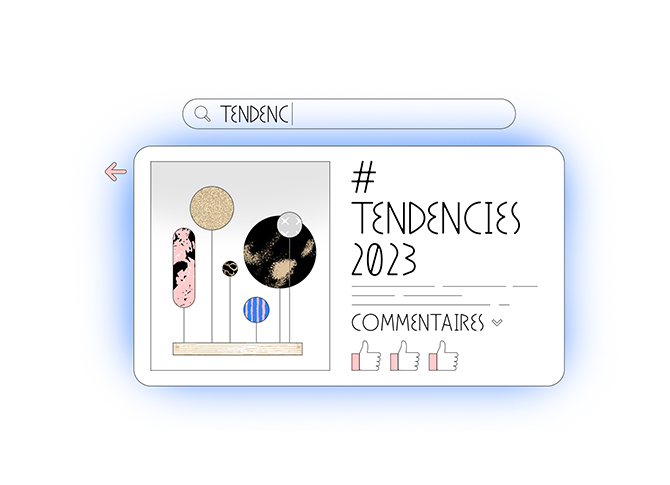
Though Pinterest highlights images, the fact remains that all visuals must be combined with text. So, it’s important to choose a good title, add detailed accompanying text, and choose the right hashtags. If the text remains in the background, behind the image, it’s one more ace up your sleeve, because many users use Pinterest as a search engine. And those who search shall find: 80% of weekly users have thus discovered a new brand or product on this platform.
04.
Creating a connection
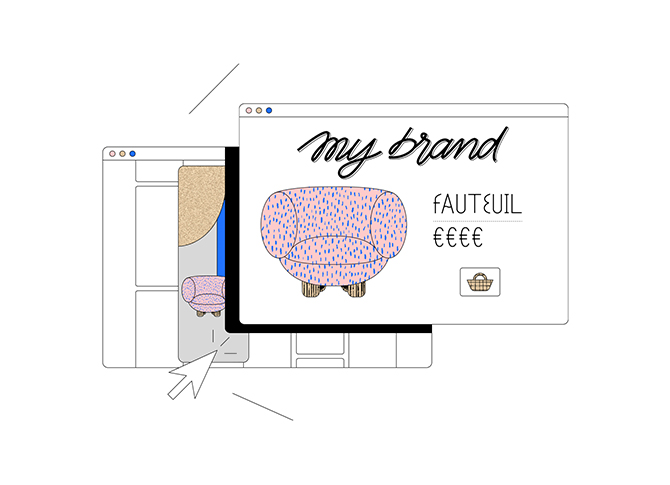
Unlike Instagram, which tries to keep its users on its platform at all costs, Pinterest lets you generate traffic to your own website, blog, or online shop a lot more easily. How does it work? Each time you pin an image from your website, the link to the page is paired with it, and Pinterest users who click on it are redirected to that page. Here’s a little tip: you can claim ownership of your website’s URL, which allows you to see all the individuals who pin images that use your URL as a source. To boost your traffic even more, make sure you embed Pinterest share buttons on your website and optimize the text and hashtags displayed by default when users pin your visuals.
05.
Research that reflects your image
Unlike Facebook and Instagram, where people celebrate what they’re doing or what they’ve done, Pinterest users are looking ahead to the future. When they’re coming up with plans to purchase a sofa, for example, they’ll create a “Top Sofas” board. In the same vein, when they want to redecorate their interiors, they’ll create a “Top Decor Ideas” board. For you, it’s a sort of gigantic mood board that helps you understand their aspirations. Hence the importance of also making the right visuals of your products available to them so they can include them in their research!
Pinterest is also useful for organizing your own research and staying a step ahead using Pinterest Predicts, their report on future trends. It’s a super-effective tool: over the past three years, 80% of its predictions have come true. It’s enough to give you ideas for today and, especially, for tomorrow!
Interested in attending our upcoming trade fair?
Maison&Objet Paris