ClaraHardy
Clara Hardy
Director & Founder of Sericyne
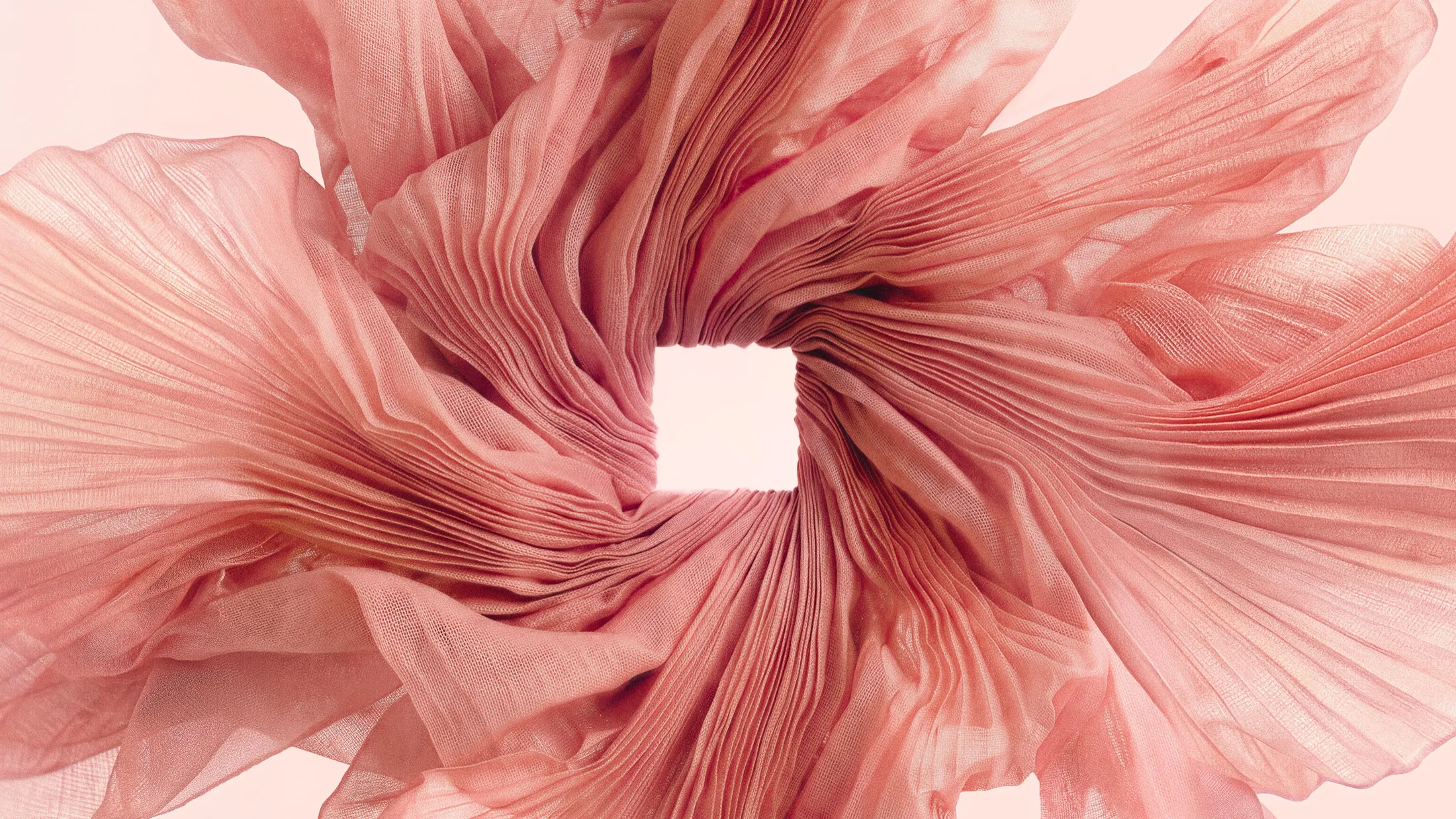
A graduate of Ecole Boulle, and ENS Cachan, passionate about the world of textiles, and silk in particular, Clara Hardy completed her final thesis on silk. She knows the ins and outs, from breeding to weaving, has traveled all over the world, and has met all the players in the sector to reach the following conclusion: Seven stages of transformation from worm production to the production of a silk thread is a lot. In addition, the price of silk is soaring. Therefore, for both environmental and economic reasons, it seems imperative to her to favour short circuits. Namely, today, China, and to a lesser extent, Brazil and India together provide almost all of the silk production in the whole world. Silk, or what will become silk, more exactly, is imported by consumer countries in the form of cocoons that are washed. The sericin, a protein secreted by the worm, which is like a kind of adhesive, is removed. While one of the key points of the process developed by Clara is to keep it. These are all steps where the human hand is necessary and which increase the costs of this textile. That's where Clara Hardy comes in. As a young designer, with the collaboration of a former INRA researcher, she spent years observing, studying and understanding the silkworm's behavior, its movements and its way of eating. Until developing a protocol to manage to “educate” it, a term used by sericulturists, silkworm farmers. For a month, they worked on it. When the worms mature, after a month, a small revolution takes place. Clara succeeded in developing a new technique for the production of silk by the worm. The latter are delicately placed on molds, and weave directly onto these shapes in 3D, or flat in 2D. Instead of producing a cocoon from which silk threads are extracted, the worms spin flat. It is a new material that was born, invented by Clara, but created by nature: An intermingling of silk threads, each measuring approximately one kilometer and linked together by a molecule spun by the worm, sericin. A 100% natural, resistant, sparkling, lightweight non-woven fabric, with a paper-like feel, which can take all sorts of shapes depending on the mold on which the worm has been placed. This know-how, which is unique in the world, is the subject of a patent in France and internationally. Subsequently, this “sericin” silk can be worked like any other textile and be the subject of numerous transformations thanks to a network of artisans with specialized know-how who work exclusively for Sericyne. Woven, embroidered, dyed, embossed... or set with stones, crystals, gold leaf, it offers a range of varied aesthetic qualities.
Read more