Tom Dixon: an unclassifiable talent
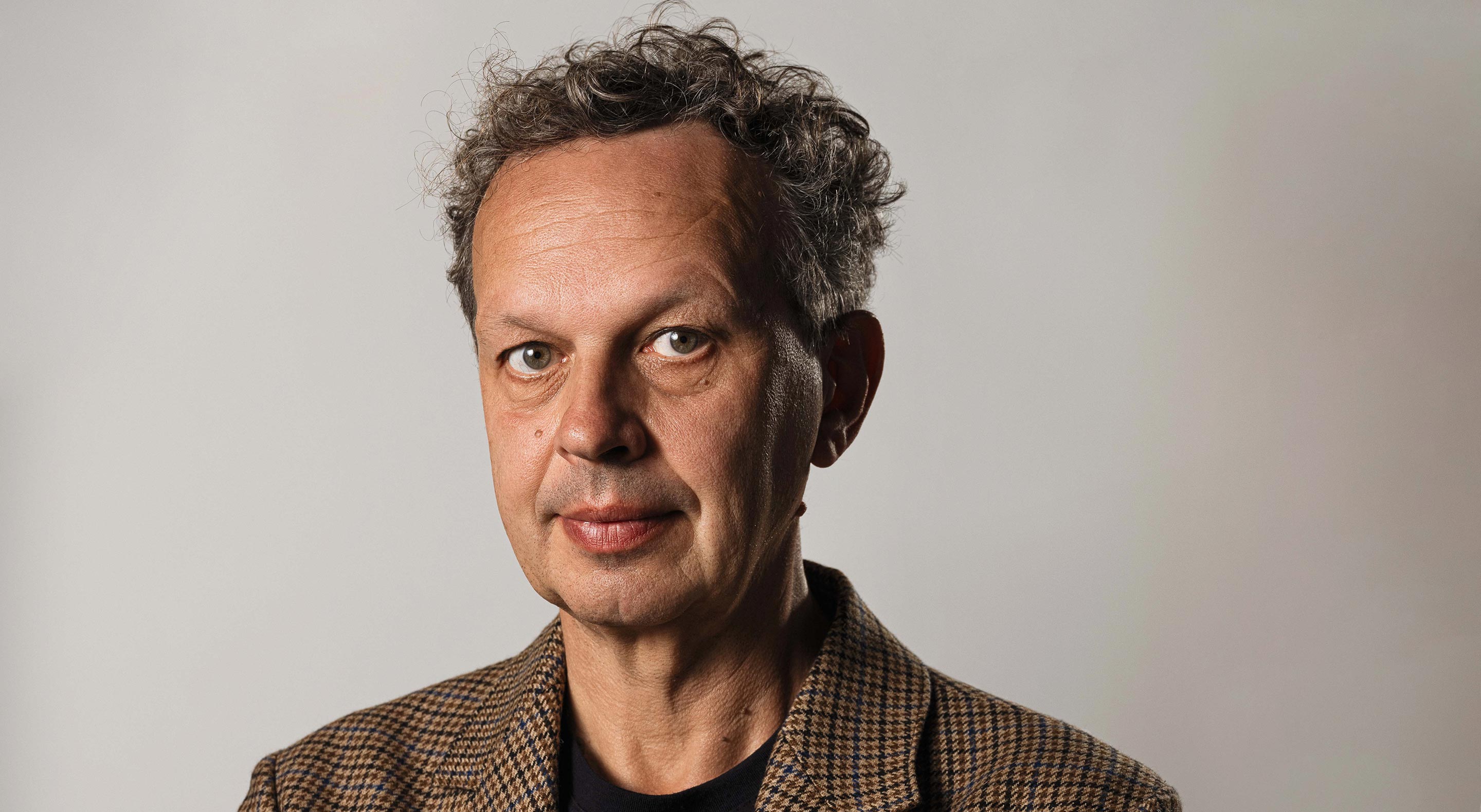
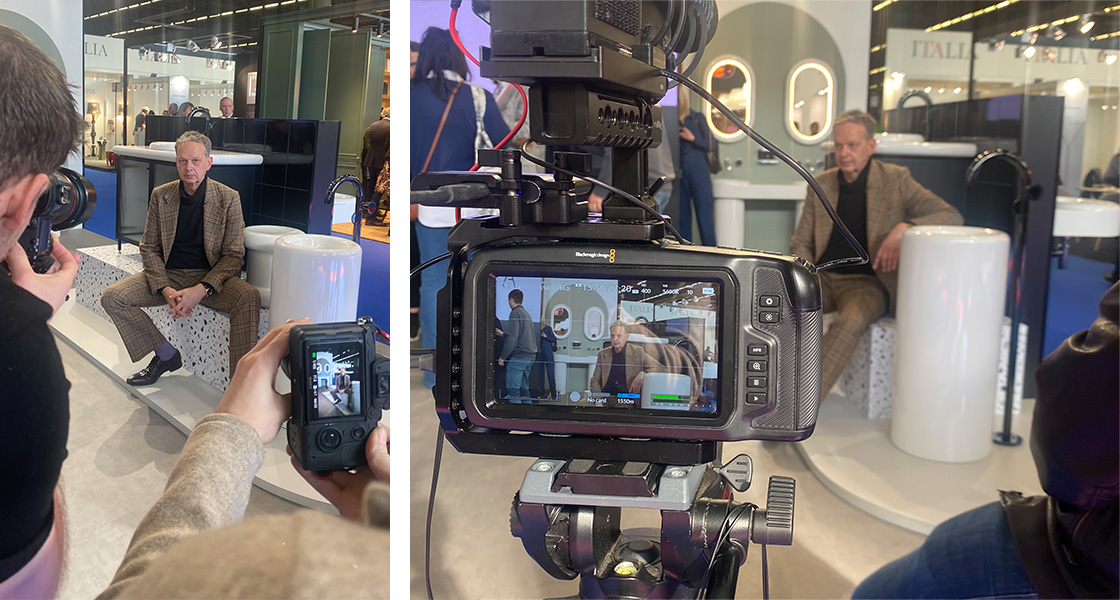
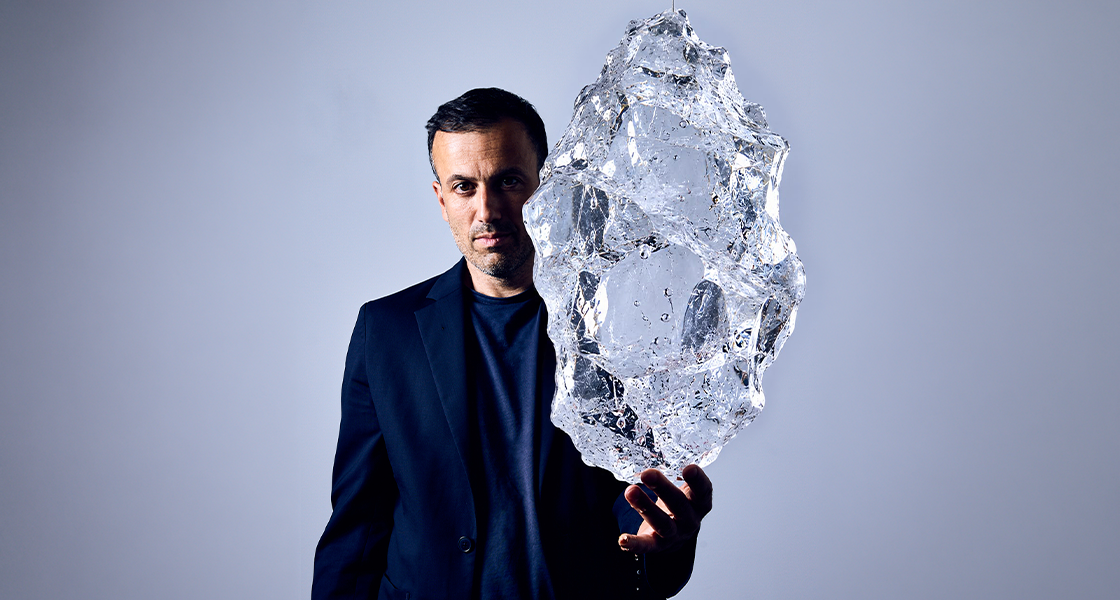
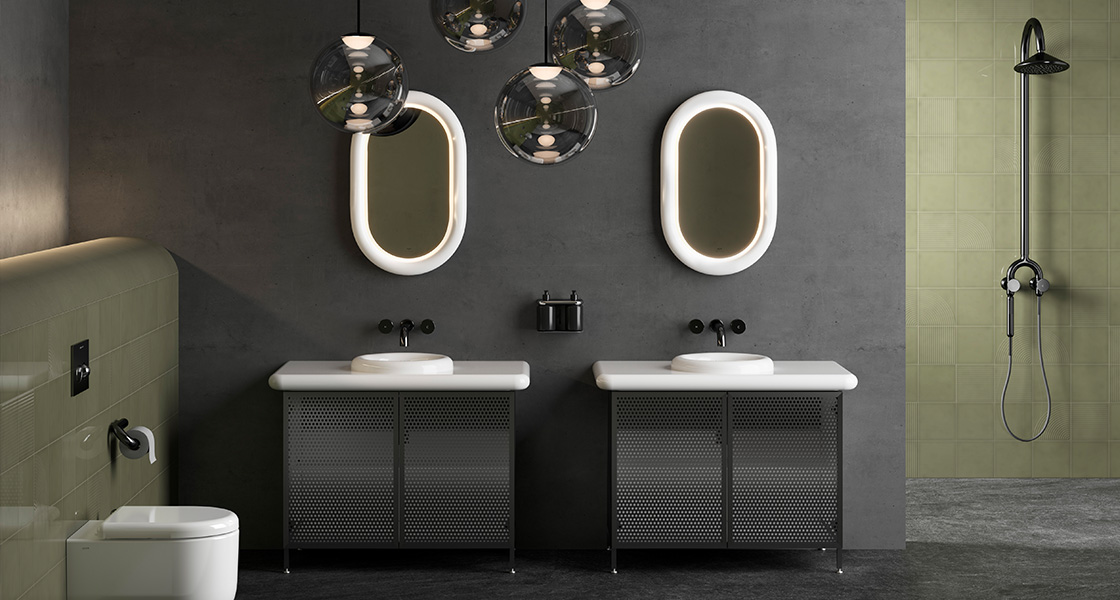
Tom Dixon is one of Britain’s most celebrated designers. At this year’s Maison&Objet he presented his first bathroom, which he designed from start to finish for VitrA.
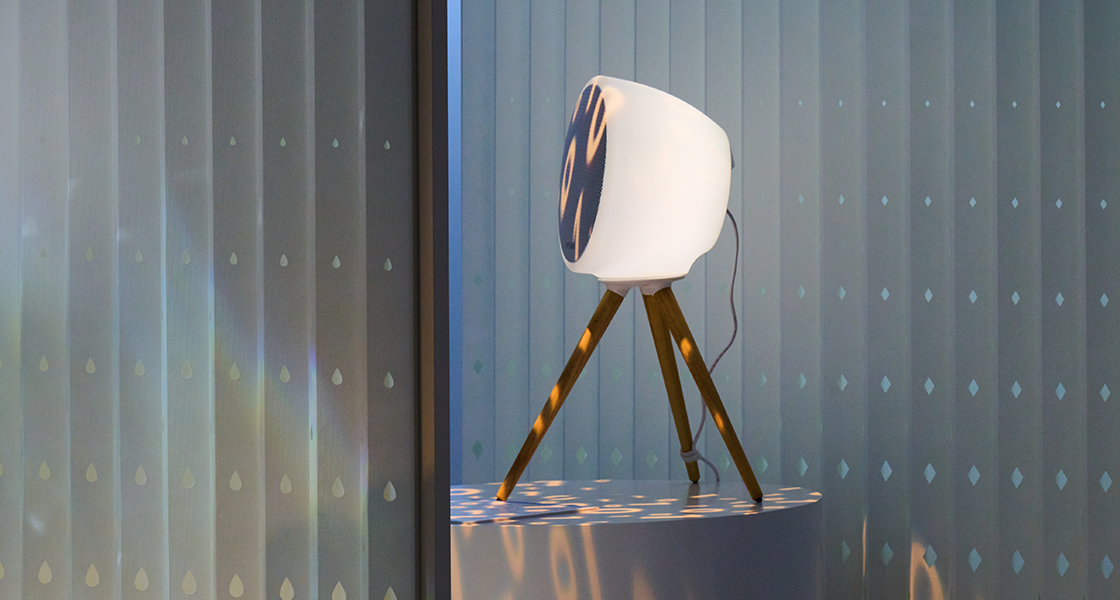
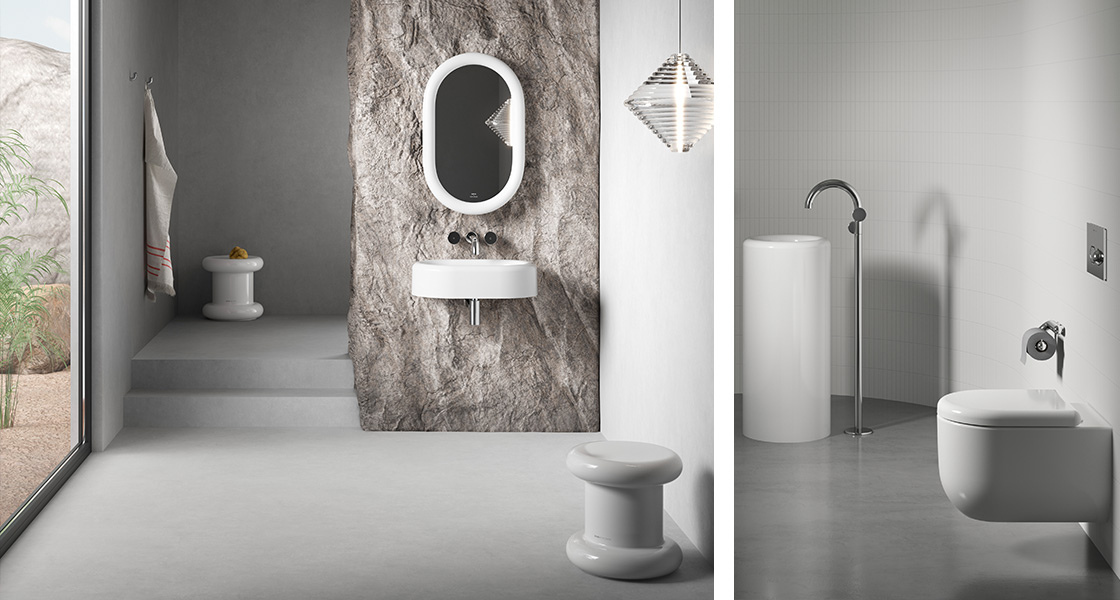
He never thought he would be a designer. At the end of the seventies, Tom Dixon was playing bass in a disco band, while surfing the wave of freedom that came with the punk movement. At night, he hung around in London clubs. In his free time, he was busy with the soldering iron, developing a passion for metals. One thing led to another… His S Chair, created for Cappellini, is a cult classic. Awarded Designer of the Year at Maison&Objet in 2014, his studio now employs around 100 people. His eponymous brand sells its creations in 90 countries. In March, he stooped off at Maison&Objet to present Liquid – a bathroom comprising taps, earthenware, fixtures and furniture – which has already won a Wallpaper Design Award. It deliberately goes against the grain of the digital age. His visit gave us an opportunity to look back at his anti-conformist career.
What did you have in mind when creating your first bathroom?
Usually, architects have to look here, there and everywhere for bathroom tiles, fixtures and furniture. My first goal was to provide a complete and coherent universe. Then, I like old bathrooms, some of which have been there for 50 or 150 years. The idea of permanence is important – a bathroom lasts a whole lifetime. I wanted it to be both minimalist and expressive. I was thinking of the sanitary fixtures that can still be found in Victorian castles, but I have been told that mine could be from the sixties or the Art Deco period and, for me, that’s an accomplishment. The fixtures are very curved, robust and thick. Everything that contains water must be round. There are no corners, which makes them easier to clean. Using technology, designers can make things that are very delicate. We see square forms everywhere. I did the opposite.
You started your design activities with a soldering iron. What remains from those early days?
I am very interested in manufacturing methods. I visited the VitrA workshop in Turkey and found it exciting to see their industrial robots. It’s very futuristic. The way in which lavatories are made is especially interesting. You see nothing from the outside, but inside there is a complete and complex plumbing network. I like studying the structure and how it all comes together.
Do you still get the chance to create with your own hands?
During the pandemic, I found myself at home, not allowed to go out, and I was going a little crazy. I found an old orchid greenhouse in the country that belonged to friends, and started making things there just for myself, using bamboo, broken glass and aluminium. I bought myself a ceramic kiln. That sent me right back to my roots, when nothing was commercial and I created purely for pleasure. I had forgotten. I have around 100 people who work with me in London, and the work is very fragmented. Afterwards, I threw everything in the bin and started over. That cleared my head.
Do you still play music?
I have started playing bass again, with friends. It’s a different kind of creativity, where you can forget about everything. Music taught me that you can create something, present it and make it a business. It’s the same with design. These days, I belong to financial backers. It’s a bit like signing with a record label.
What has changed in the design profession since you started?
In the eighties, design didn’t exist in England. Designers designed cars. London still didn’t have a dedicated museum. Today, everyone is interested in design and it’s everywhere. Back then, we were working in a vacuum. No one knew what we were making. Now, as soon as we create something special, it is publicised. It’s difficult for a young person to form a unique point of view. You can no longer be sure whether your idea is original or you saw it somewhere on Instagram. Still, it’s good to stay under the radar for a while. We had plenty of deserted wastelands in London where we could set up a studio. Today, you need to go into exile in a greenhouse in the country to find space for a big creative mess.
How do you see your role as a designer?
It’s such an adaptable word. For me, it means changing something for the better. The change may be tiny, enormous or merely aesthetic. If it works, I have improved everyday life.
What is your relationship with Maison&Objet?
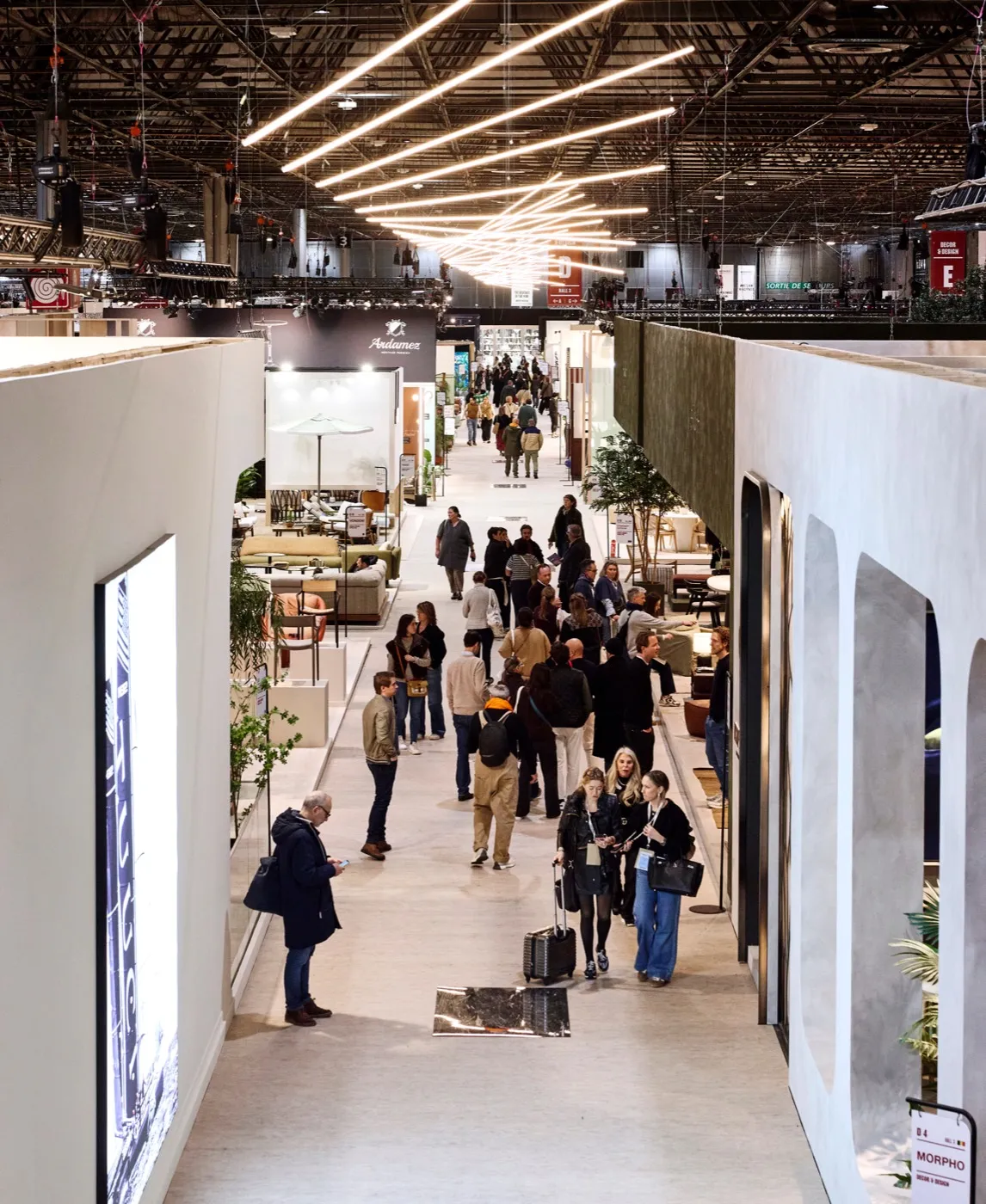
The trade fair was incredibly important when we launched our accessory range. It’s unmissable. I’m happy to be back after the pandemic – I missed being able to touch objects, view them, see them in a space, all of which is impossible in a virtual environment. Trade fairs are not an optional extra. They can completely transform a product launch. A slightly crazy, theatrical setting is expected. Today, I am launching my first bathroom. That’s the advantage of the design profession: every subject is an opportunity for reinvention, like a new beginning. Even though I have already been Designer of the Year, I would love to be a new Maison&Objet talent.