The Art Deco style hits one hundred
In 1925, the International Exhibition of Modern Decorative and Industrial Arts took place in Paris, a historic event that marked the arrival on-scene of one of the most visionary styles of the 20th century. Now, we celebrate its anniversary by interpreting this style for today, keeping in mind its essential elements from a century ago.
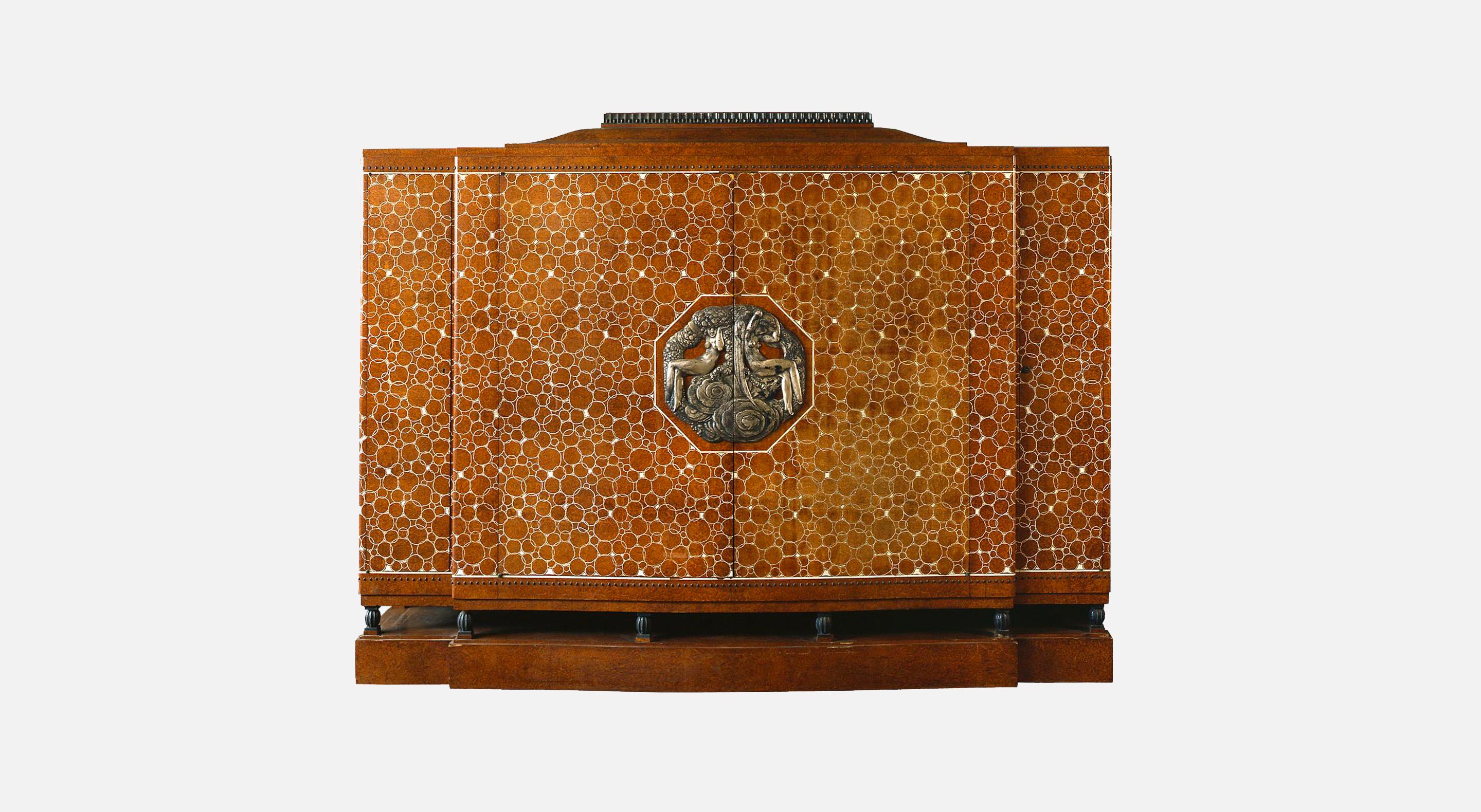
It’s one hundred years old and still relevant. More than ever, Art Deco is inspiring modern creative design, a century after the grand Parisian exhibition that made it legendary. All around the Invalides and Grand-Palais, various pavilions were erected, designed by the greatest decorative talents of the era. At the time, two major schools of thought were evident: on the one hand, the Société des Artistes Décorateurs (SAD) exhibited a highly refined interpretation of the art of living, within the grand tradition of interior decorators supported by stellar craftsmanship. At the Pavillon des Ambassadeurs, André Groult, Pierre Chareau and Jacques-Emile Ruhlmann rivalled each other in the use of precious materials and marquetry. Behind the Grand-Palais, Le Corbusier and Pierre Jeanneret created controversy with their Pavillon de l’Esprit Nouveau (New Spirit Pavilion), all in concrete and glass, demonstrating an avant-garde mindset comprised of a minimal use of resources and standardized materials. A few years later, in 1929, they joined forces with Charlotte Perriand and Jean Prouvé to create the Union des Artistes Modernes (UAM). “These two movements set the tone for the entire 20th century”, explains René-Jacques Mayer, Design Director of the Manufactures Nationales Sèvres & Mobilier National (National Sèvres Workshops/National Furniture Registry). “The spirit of the SAD endured all the way until the 1960s, when Modernism took up the reins. Today, we’re seeing the return of the great interior designer-decorators.” How could it be otherwise? Paris Design Week reflects this divide. Over the years, decorators have taken up the flag of the SAD’s spirit, showing collections of truly exceptional furniture. At the same time, the UAM’s philosophy of “less is more” has endured through the pursuits of a new generation, this time seeking a more frugal style of living
.
Bahut de Jacques-Emile Ruhlmann (1911-1944) - ©DR